

What to Do About a Flooded Basement
Robert Lombardo • June 7, 2024
Essential Steps to Handle and Prevent Basement Flooding Effectively
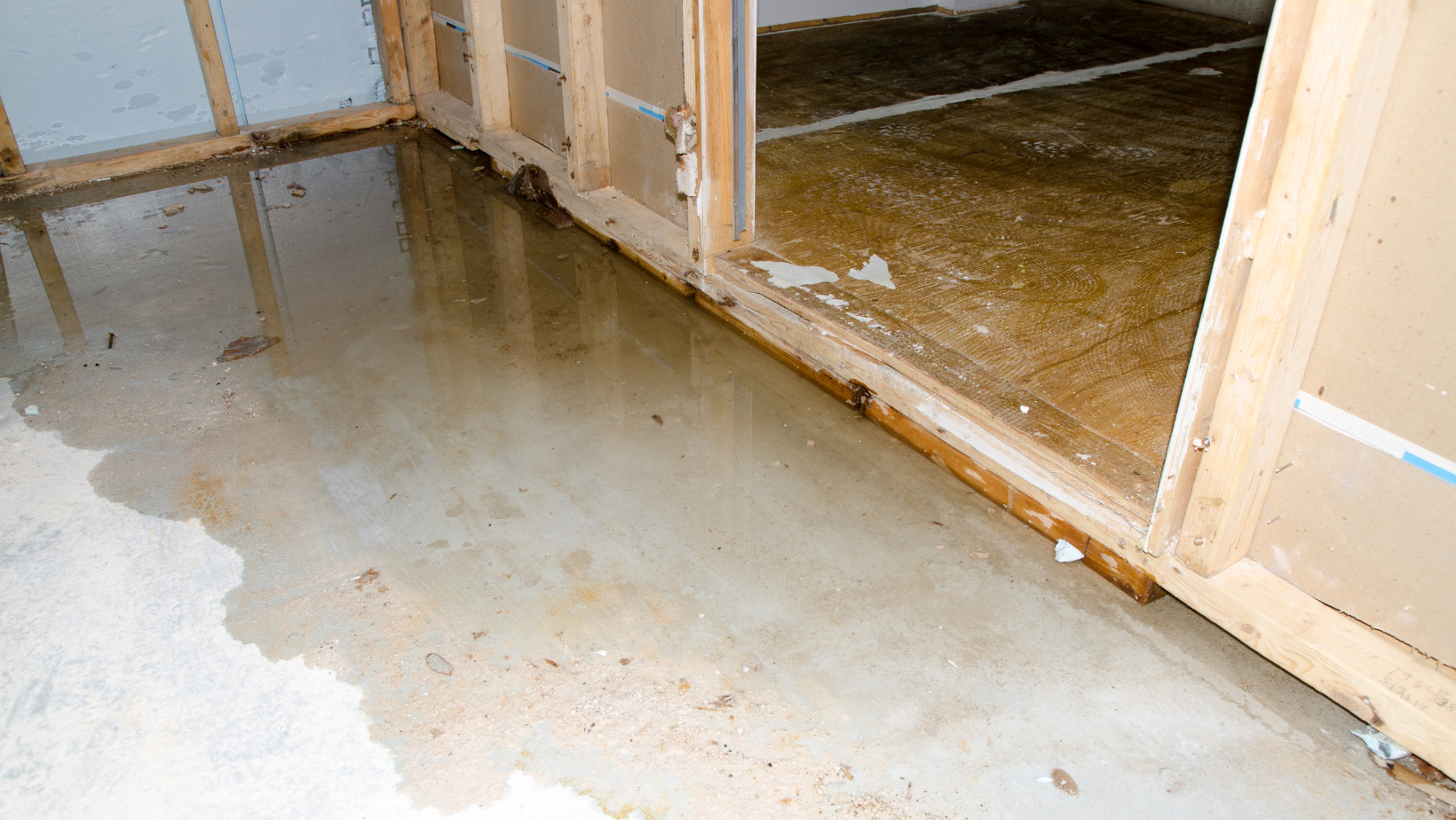
Discovering a flooded basement can be a homeowner’s worst nightmare. Whether caused by heavy rainfall, a burst pipe, or a malfunctioning sump pump, a flood can cause significant damage to your property and belongings. The situation demands immediate attention to prevent further destruction and potential health hazards. At Higher Point General Contracting, we understand the urgency and stress involved in dealing with a flooded basement. This guide will walk you through the essential steps to take if you find yourself facing this unfortunate scenario.
1. Safety First
Before you do anything else, ensure that it's safe to enter the flooded area. Water and electricity are a dangerous combination, so you should turn off the power supply to the basement if it's safe to do so. If you're unsure how to safely cut the power, contact an electrician for assistance. Additionally, wear protective gear, such as rubber boots and gloves, to avoid direct contact with contaminated water, which can carry harmful bacteria and chemicals.
Once you've secured the area, you should also check for gas leaks. If you smell gas, evacuate immediately and contact your gas company. Safety is paramount, and addressing these concerns first will help mitigate any further risks.
2. Remove Standing Water
After ensuring safety, the next step is to remove the standing water. Depending on the severity of the flood, you may need different tools to accomplish this. For minor flooding, wet/dry vacuums can be effective. For more severe cases, consider renting or purchasing a sump pump. If the flooding is extensive, you may need to hire a professional water removal service to handle the situation efficiently.
During this process, open windows and doors to promote air circulation and speed up the drying process. This can also help reduce humidity levels and prevent mold growth, which can begin within 24-48 hours of water exposure.
3. Salvage Belongings
Once the water is removed, it’s time to assess the damage to your belongings. Prioritize items based on sentimental and monetary value, and start by drying out the most important ones first. Move salvageable items to a dry area and use fans or dehumidifiers to aid the drying process. Unfortunately, some items, particularly those made of porous materials like paper and fabric, may not be salvageable.
For electronics, it's crucial to consult professionals before attempting to power them on again. Proper drying and inspection are necessary to avoid further damage or electrical hazards. Remember that timely action can make a significant difference in what's recoverable.
4. Clean and Disinfect
Floodwaters often bring contaminants into your home, which can pose health risks. Once the basement is dry, thoroughly clean and disinfect all surfaces. Use a mixture of bleach and water (usually one cup of bleach per gallon of water) to kill bacteria, mold, and mildew. Pay close attention to walls, floors, and any furniture that got wet.
For extensive cleanup or if you notice mold growth, consider hiring a professional cleaning service. Mold can be hazardous to your health and difficult to eradicate without specialized equipment and expertise. Ensuring a thorough clean-up will help protect your home and family from potential health issues.
5. Prevent Future Floods
After dealing with the immediate aftermath, take steps to prevent future basement flooding. Inspect your home’s foundation for cracks and seal any you find. Ensure your gutters and downspouts are clean and direct water away from your home's foundation. Installing a sump pump or upgrading your existing one can also provide an extra layer of protection against future flooding.
Regular maintenance and inspections can help identify potential issues before they become major problems. Consider consulting with a professional contractor to evaluate your home’s risk factors and recommend additional preventive measures.
A flooded basement can be a daunting challenge, but taking prompt and effective action can minimize damage and set the stage for a full recovery. At Higher Point General Contracting, we’re committed to helping homeowners navigate such crises with expert advice and reliable services. By prioritizing safety, efficiently removing water, salvaging belongings, and thoroughly cleaning the affected area, you can restore your basement and prevent future incidents. Remember, preparation and proactive maintenance are key to safeguarding your home against flooding.
You might also like

The latest design trends are bringing warmth, character, and timeless materials back into the home.

Fresh inspiration for creating a bathroom that feels warm, functional, and uniquely yours.

Designing a Home That Looks Great and Lives Even Better